Novel Study: Bringing a Story to Life
- Guinevere Pura
- Mar 27, 2023
- 3 min read

Updated: Apr 19, 2023
Learners | Learning Outcome #4 | Observe and reflect on the impact of strategies and resources on learners (teacher talk, text)
Novel study can be a fun project for students and teachers. It is especially engaging when the book relates to the lives of the learners. Novel study is when the entire class or group are reading and experiencing the same book together. This allows students to identify their likes and dislikes about the novel to their peers, and critically analyze the story by debating or bouncing off thoughts and ideas to one another. By reading the novel independently, it fosters a level of independence which provides students the opportunity to decode, and develop comprehension skills and strategies at their own pace. Time to read reinforces learning, and fosters their imagination as they dive into the life of fictional characters.
Document classroom activities; reflect how they impact learners
My grade 8s were divided into smaller groups and were assigned to read one of the following books in the picture below. Each were approved by the board/district and were appropriate for their age group. Though this activity was done weeks ago, I found this activity to discuss their novel to their group members efficient. Each novel study period/session or "Book Talk" as they called it, they were assigned to complete a chapter as a group and discuss it to one another until they completed the novel.



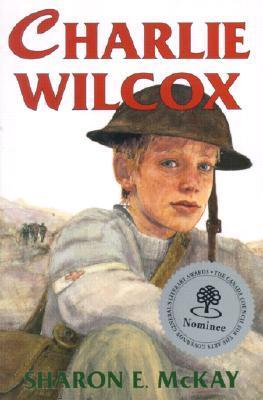

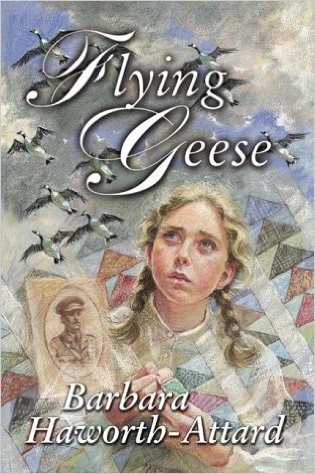


The groups were prompted to answer three questions per chapter to promote a discussion amongst one another. The benefits to group book talk and collaboration is that it encourages the team to approach complex problems with more confidence than they would on their own.
Students who are unsure of their research/reading could get support from their team mates to develop more conclusive ideas about their work. Collaboration also allows learners to share diverse perspectives on the novel they are reading. Based on their upbringing or culture, students can share their personal experiences and how they relate to the material. This help others develop empathy, and understand how it feels to be in someone else's "shoes". In addition, it encourages responsibility and accountability. Students rely on one another to complete their delegated tasks on time. If one fails them, all of them suffer.
After ca series of book talks, each group created a movie trailer about their assigned novel and presented it to the rest of the class. This creative approach to their learning encourages students to make their reading come alive. They can strategically use digital media (e.g., textual, graphical, audio, visual, and interactive elements) to enhance an understanding of their findings, and acquire a sense reasoning for themselves and for their audience. In addition, they could demonstrate how they can evaluate text and content and translate it in a different a medium (video). I saw a sample of one student's trailer and learned how it can be a very effective way to identify the strengths in each student's learning - and a fun way for their peers to enjoy.
To reflect on this as noted after reading Terri Ann Jackson's blog from LD @ School, "independent reading is NOT a substitute for direct instruction, teacher interactions, and interventions/remediation (Jackson, 2018)." In my future classroom, as I had done in this class, I would go group to group to get involved in their book discussions to understand how they are interpreting the text and seek out areas where/how I can support them. Getting involved by listening to their discussions, conferencing with each group, or asking questions to ensure that they are understanding the text, would be ways to gather some information to make formative assessments.

I discovered this reference (pictured on the left) from Writing Mindset. This visual provided me with ideas to add dimension to a novel study. Providing alternative exercises along the way for example (ie: reflections, exit tickets), diversifies student learning and give teachers opportunities to make formative assessments along the way. Alternative media such as poems, articles or a small visual art project to visually express part of the story, would add more depth to their reading and complement the material. This is another way for students to change their focus for moment, breathe more air into their work, and to further demonstrate their understanding of their novel by expressing it in different ways. Overall, observing this novel study helped me reflect and discover different ways I would approach this lesson.
References:
Hampton, S. (2019, December 8). How I Design a Novel Unit for Middle School: So
Much More Than Picking the Perfect Book. Writing Mindset. https://www.writingmindset.org/blog/2019/12/7/how-i-design-a-novel-unit-for-middle-school#:~:text=The%20novel%20study%20is%20when,it%20involves%20the%20entire%20group.
Jackson, T. (2018, July 6). Strategies and Structures to Support Independent
Reading in Students with Reading Disabilities. LD @ School. https://www.ldatschool.ca/independent-reading/#:~:text=Independent%20reading%20provides%20students%20with,Johnson%20%26%20Keire%2C%202010).


Comments